

Rechte Tanden voor het Hele Leven
Snellere, effectievere en zachtere therapie voor kinderen en jongeren
Rechte Tanden voor het Hele Leven
Snellere, Effectievere en Zachtere Therapie voor Kinderen en Jongeren
De behandeling van kinderen vereist veel inlevingsvermogen, vertrouwen en een prettige praktijksfeer. Vroege en regelmatige controles maken het mogelijk om het optimale moment voor het begin van de behandeling individueel te bepalen, om effectief te kunnen reageren op groei-gerelateerde veranderingen in het gebit.
De tanden en kaken van kinderen en jongeren zijn continu in ontwikkeling. Een bijzonder kritieke periode waarin controles door de orthodontist en het begin van therapie zinvol en belangrijk zijn, is de fase van de tandwisseling.

Vroegbehandeling in het Melkgebit
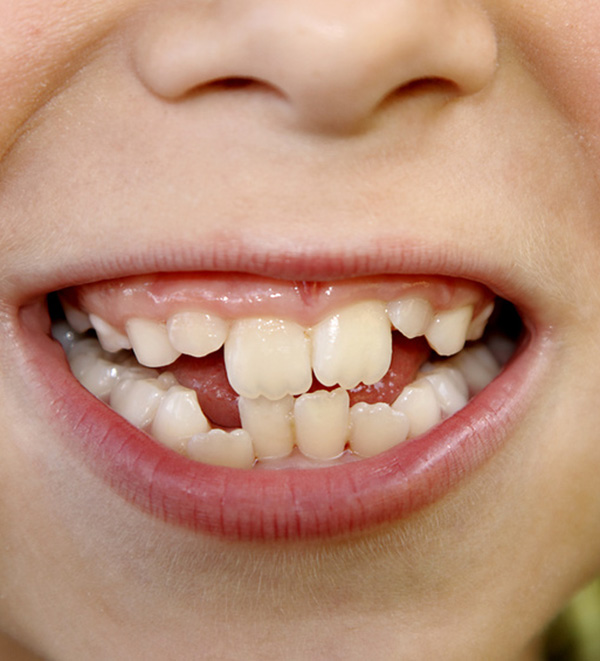
Wij adviseren tijdig onderzoek van de functionaliteit van het kindergebit. Onregelmatigheden in het melkgebit manifesteren vaak problemen in het blijvende gebit. Bij sommige tandstandafwijkingen is het raadzaam om al in het melkgebit met de correctie te beginnen om een ongestoorde gebitsontwikkeling te waarborgen.
Eerste orthodontische controles kunnen vanaf 3 tot 5 jaar zinvol zijn, omdat op deze leeftijd afwijkingen en disfuncties kunnen worden herkend. Op deze leeftijd zijn de melktanden volledig aanwezig. Het is raadzaam om al bij een peuter met een korte therapie in te grijpen als een kind lispelt, lang op de duim heeft gezogen of lang een fopspeen heeft gebruikt.
Rechte tanden voor het hele leven: met een vroege corrigerende therapie bespaart u uw kind later uitgebreidere maatregelen.
De meest voorkomende maatregelen bij vroegbehandeling zijn:
- Het afleren van slechte gewoonten - zogenaamde "habits" - zoals duimzuigen, lippenbijten, tongpersen
- Het sluiten van een frontaal open beet
- Correctie van een kruisbeet zowel in het zijdelingse als het frontale tandgebied
- Open houden van ruimtes met een zogenaamde plaatsvervanger wanneer een melktand vroegtijdig verloren is gegaan
- Uitgesproken ruimtegebrek door een te kleine kaak
- Overtollige tanden

Behandelingen in het Wisselgebit
Behandelingen in het Wisselgebit
De overgangsfase waarin melktanden worden vervangen door opvolgende blijvende tanden wordt het wisselgebit genoemd. Als er in het melkgebit geen bijzonderheden zijn opgetreden, is de ideale leeftijd voor het eerste orthodontische onderzoek 8 tot 9 jaar. In deze fase worden therapeutische stappen doorgaans uitgevoerd met uitneembare beugels zoals enkele platen of functioneel-orthodontische apparatuur, zoals een bionator.
De meest voorkomende maatregelen zijn:
- Gekantelde tanden weer in de tandboog inordenen
- Correctie van individuele tanden die in kop- of kruisbeet staan
- Ruimte creëren voor de opvolgende tanden
- Correctie van kaakafwijkingen, zoals overbeet
In een holistisch georiënteerde orthodontie kunnen wij de verwachte pubertaire groeispurt met de ontwikkeling van de gezichtsbeenderen benutten om het esthetische uiterlijk te optimaliseren.
- Eerste controle mogelijk tussen 3 en 5 jaar.
- Vroegbehandelingen worden individueel gepland.
- Kostenvergoeding is afhankelijk van de KIG-classificatie.
- Behandeling is kindvriendelijk en groei-georiënteerd.
Häufig gestellte Fragen
Een grondige mondhygiëne en tandvriendelijke voeding beschermen tegen vroegtijdig verlies van melktanden.